
Registering for Amazon Flex & Instacart in Canada: Grocery & Package Delivery
The Canadian gig economy has seen a remarkable surge, particularly within the grocery and package delivery sectors. Platforms like Amazon Flex and Instacart have become cornerstones, offering flexible earning opportunities for individuals across the country. This comprehensive guide is designed to walk prospective delivery partners through the intricacies of registering for these services in Canada. Our focus will be on crucial aspects such as regional availability, the specific vehicle requirements for Amazon Flex’s package routes, and effective strategies for navigating onboarding waitlists to achieve faster activation. Understanding these distinct facets is paramount for anyone looking to enter Canada’s non-restaurant delivery gig market successfully.
The Canadian Gig Economy for Delivery: An Overview
The allure of gig work primarily stems from its inherent flexibility, empowering individuals to dictate their own work schedules. For a growing number of Canadians, platforms like Amazon Flex and Instacart represent a viable path to either supplement their existing income or establish a primary revenue stream. While both services revolve around delivery, they cater to different market segments. Amazon Flex is predominantly focused on the efficient delivery of packages for Amazon’s extensive logistics network, fulfilling a critical role in its “last-mile” strategy. Instacart, on the other hand, specializes in personal grocery shopping and delivery, though it has also expanded to include partnerships with various other retailers. Consequently, the operational models, driver/shopper requirements, and earning structures for these platforms present unique considerations for applicants.
The escalating demand for e-commerce and convenient on-demand grocery services, significantly accelerated by recent global events, has firmly entrenched these platforms within the modern consumer landscape. Canada’s e-commerce market continues to exhibit substantial growth, with a significant portion of consumers regularly engaging in online purchases, a trend comprehensively supported by e-commerce statistics and trends. As such, the application and onboarding processes, which include essential steps like background checks, vehicle inspections, and a thorough understanding of independent contractor status, have become increasingly standardized. However, specific requirements can still vary based on the platform and the province within Canada. These platforms not only signify a pivotal shift in consumer behavior but also in employment models, offering a flexible alternative to traditional employment. Nevertheless, it is essential for potential participants to fully grasp the entire scope of requirements, responsibilities, and operational realities before committing to this dynamic work environment.
Amazon Flex in Canada: Package Delivery Logistics
Amazon Flex provides individuals with the opportunity to deliver packages for Amazon using their personal vehicles. This initiative is a vital component of Amazon’s last-mile delivery strategy, engineered to ensure the rapid and efficient transportation of products from fulfillment centers or delivery stations directly to customer doorsteps. This model effectively allows Amazon to quickly scale its delivery capacity, especially during peak shopping seasons, by leveraging a network of independent contractors. Flex drivers are tasked with picking up pre-sorted packages from a designated Amazon facility and delivering them within a specified timeframe, commonly referred to as a “block.”
Region Availability Across Canadian Provinces
Amazon Flex’s operational footprint in Canada is strategically concentrated in major metropolitan areas and their surrounding suburbs. These regions boast sufficient population density and logistical infrastructure to support a high volume of package deliveries. The availability of Amazon Flex is not uniform across all provinces or even all cities within a single province, directly reflecting Amazon’s evolving logistical infrastructure, existing warehouse locations, and market demand. New regions are continuously added as Amazon expands its operations and logistics networks. Prospective drivers should always consult the official Amazon Flex Canada website or download the dedicated app to verify current service availability in their specific postal code, as this information is subject to frequent change.
- Ontario: This province hosts the most extensive Amazon Flex operations in Canada, a direct result of its vast population, economic activity, and established logistics hubs. Key cities where Flex is typically active include Toronto and the extensive Greater Toronto Area (GTA), encompassing major municipalities such as Mississauga, Brampton, Vaughan, Markham, and Richmond Hill. Other significant operational zones include Hamilton, Ottawa, London, Kitchener-Waterloo, and Windsor. The dense urban and suburban landscapes within Ontario consistently generate a high volume of delivery opportunities, which are robustly supported by multiple Amazon fulfillment and sortation centers strategically placed throughout the province.
- British Columbia: Vancouver and its expansive metropolitan area, often referred to as the Lower Mainland (including Surrey, Richmond, Burnaby, Langley, and Coquitlam), represent significant operational zones for Amazon Flex. The region’s substantial population, strategic access to major ports, and rapid adoption of e-commerce contribute significantly to its importance within Amazon’s logistics network. While major urban centers are the primary focus, some satellite communities within commuting distance of these hubs may also have Flex operations. Cities like Victoria and other larger island communities might occasionally see operations, though generally less consistently than the bustling mainland.
- Alberta: Calgary and Edmonton are the principal Amazon Flex markets in Alberta. These two economic powerhouses generate sufficient delivery demand to sustain comprehensive Flex operations, supported by a robust and expanding infrastructure. Growth in these regions often aligns with the establishment of new Amazon facilities, which further solidify their importance in the delivery network.
- Quebec: Montreal and its surrounding regions, including Laval and Longueuil, are the main areas where Amazon Flex operates within Quebec. Drivers considering Flex in Quebec should be aware that proficiency in French may be an important consideration for customer interactions, especially in regions with a predominantly French-speaking population. Although the app interface is bilingual, customer service expectations might include communication in both official languages to ensure seamless service.
- Other Provinces: While Amazon does maintain a presence in other provinces with various fulfillment centers, dedicated Amazon Flex programs are less consistently available or are often in nascent stages of development in regions such as Manitoba (primarily Winnipeg), Saskatchewan (Regina, Saskatoon), Nova Scotia (Halifax), and New Brunswick (Moncton, Saint John, Fredericton). Availability can fluctuate significantly based on local demand, Amazon’s specific expansion plans, and the density of existing logistics infrastructure. It remains crucial for prospective drivers to frequently check the official Amazon Flex website or app for the most up-to-date and specific service areas. The platform typically prompts applicants to enter their postal code to confirm eligibility in their immediate vicinity. Even if Flex is not currently available, signing up for notifications can alert you when operations commence in your area, providing a head start.
Vehicle Size Requirements for Amazon Flex Package Routes
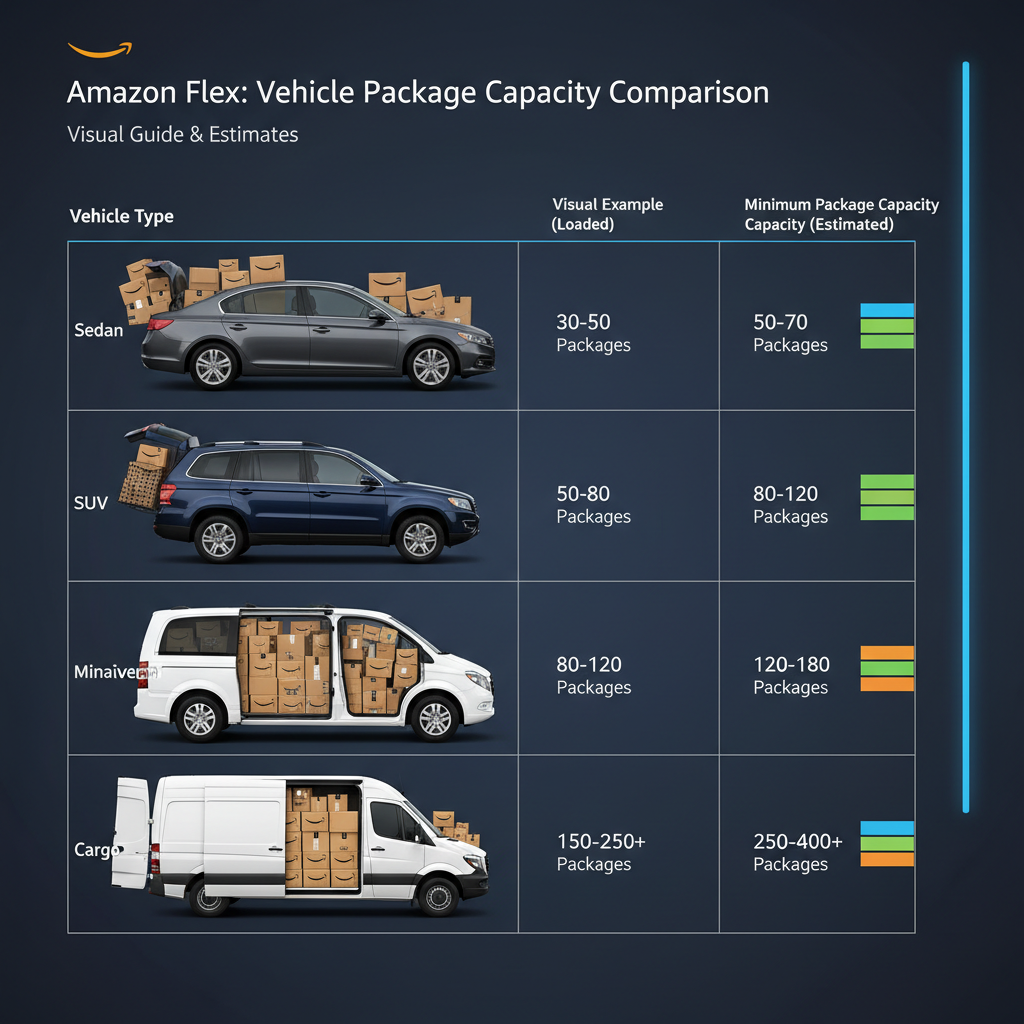
One of the most critical considerations for Amazon Flex applicants is a thorough understanding of the vehicle requirements. Unlike some food delivery services that might permit smaller vehicles, Amazon Flex, given its primary focus on package delivery, necessitates vehicles capable of handling a significant cargo volume. This requirement extends beyond merely fitting a few boxes; it’s about accommodating multiple large packages alongside dozens of smaller items for a typical delivery block. The ability to load packages efficiently and safely is paramount to success.
- Minimum Vehicle Type: Amazon Flex explicitly states that a 4-door sedan is the minimum acceptable vehicle type. This means that 2-door coupes, hatchbacks with very limited cargo space (even with seats folded down), and compact cars that cannot adequately hold multiple delivery bags or medium-sized boxes are generally not suitable. The rationale behind this is purely practical: a typical delivery block can involve a surprising volume and diverse range of packages, some of which may be bulky.
- Preferred Vehicle Types:
- Sedans: Larger sedans, especially those equipped with ample trunk space and rear seats that can fold down, can often manage standard delivery blocks. However, drivers frequently encounter limitations with larger routes or particularly bulky items. Strategic organization is absolutely key for sedan drivers to maximize their available space effectively.
- SUVs (Sport Utility Vehicles): These vehicles are highly recommended due to their substantially increased cargo space. The invaluable ability to fold down rear seats significantly expands capacity, allowing for both vertical stacking of packages and accommodating irregularly shaped items with ease. Many experienced Flex drivers prefer SUVs for their superior versatility and cargo capabilities.
- Vans (Minivans, Cargo Vans): Minivans offer exceptional cargo volume, particularly with foldable or removable seats, making them ideal for handling large volumes of packages. Their practical sliding doors also facilitate easier and quicker loading and unloading. Cargo vans, while less common for individual Flex drivers due to their initial cost and potentially lower fuel efficiency, provide the maximum possible space and efficiency for larger blocks, often utilized by drivers aiming to maximize their earnings potential with the largest available routes.
- Hatchbacks (Larger Models): While smaller hatchbacks are typically insufficient, larger hatchback models (e.g., larger compacts or mid-size hatchbacks like a Mazda 3 Sport or Honda Civic Hatchback) might be acceptable if they genuinely offer substantial cargo room when the rear seats are folded down. However, drivers should exercise extreme caution and honestly assess their vehicle’s true capacity. If the rear window is obscured when fully loaded, it poses a significant safety hazard and may violate traffic laws.
- Cargo Volume and Practical Considerations: A typical Amazon Flex “block” of deliveries often entails 30 to 50 or even more packages, ranging from small envelopes to surprisingly large boxes (e.g., small appliances, multiple pet supplies, furniture components). Drivers must be able to comfortably fit all packages for their assigned route, ensuring they are not obscured from view (which is a safety hazard) and can be accessed efficiently for timely delivery. Overloading a vehicle is inherently unsafe, potentially illegal (due to an obstructed view), and can lead to damage to packages or the vehicle itself. Drivers must also meticulously consider the weight distribution of packages to maintain vehicle stability. Efficient organization – knowing precisely where each package is stored based on its delivery sequence – is absolutely critical for maintaining a steady pace and completing blocks within the allocated time. Investing in robust organizational bins or reusable bags can be highly beneficial for maintaining order.
- Insurance Implications: It is paramount for Amazon Flex drivers to explicitly inform their insurance provider that they will be utilizing their personal vehicle for commercial delivery purposes. Standard personal auto insurance policies typically do not extend coverage for accidents or damages incurred while engaging in commercial activities. Failure to disclose this critical information can lead to voided claims, leaving the driver personally liable for potentially significant costs in the event of an accident. Many insurance companies in Canada now offer specific “rider” policies or commercial endorsements tailored for gig workers, sometimes referred to as “ridesharing insurance” or “delivery insurance.” The cost of such specialized insurance varies by province, provider, and the extent of coverage, but it is an absolutely necessary business expense for legitimate operations and peace of mind. The Insurance Bureau of Canada offers valuable insights into the types of coverage available for gig workers, emphasizing the importance of this disclosure.
- Vehicle Condition: The vehicle utilized must be in good working condition, safe, and legally registered in the applicant’s name (or with proper authorization from the owner). While Amazon does not typically mandate physical vehicle inspections, possessing a reliable vehicle is crucial for consistent earnings, preventing breakdowns during routes, and ensuring overall safety on the road. Regular maintenance, including diligent tire checks, routine oil changes, and thorough brake inspections, should be prioritized as part of responsible vehicle ownership for a gig worker.
Instacart in Canada: Grocery & Retail Delivery
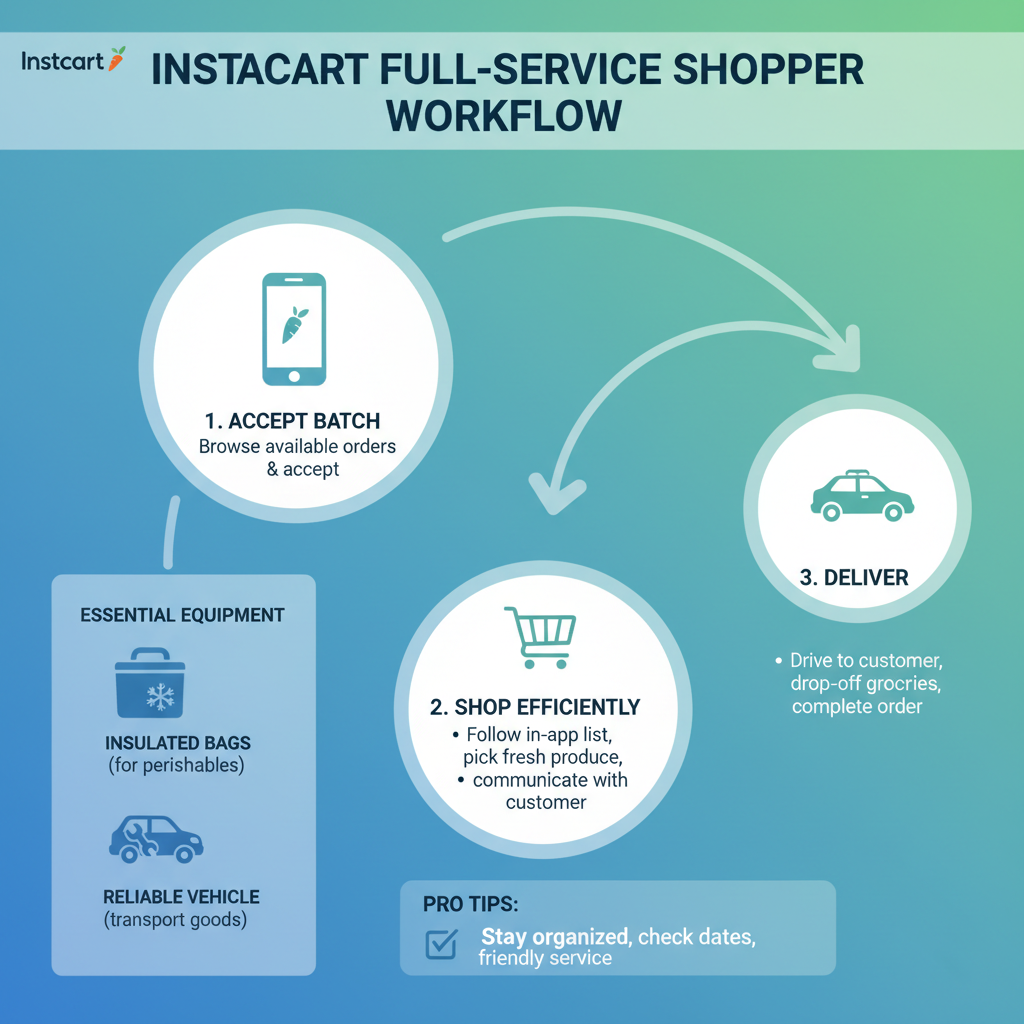
Instacart has successfully revolutionized the grocery shopping experience by seamlessly connecting customers with dedicated personal shoppers who expertly pick, pack, and deliver their orders. In Canada, Instacart has experienced rapid expansion, forging partnerships with a vast array of national and regional grocery chains, as well as some non-grocery retailers, including pharmacies, pet stores, and even electronics retailers. Instacart offers two primary shopper roles: the “Full-Service Shopper” (FSS), who both shops for and delivers orders using their own vehicle, and the “In-Store Shopper” (ISS), who exclusively shops within the store for customer pick-up orders or for FSS to deliver (the latter role does not require a vehicle). This article will primarily focus on the Full-Service Shopper role, which necessitates a reliable vehicle for its operation. The sustained growth of Instacart underscores the increasing consumer preference for convenience and on-demand services, particularly for daily necessities.
Region Availability Across Canadian Provinces
Instacart’s availability in Canada is notably widespread, often extending beyond just major cities into suburban areas and even some rural communities where partner stores are present. Its operational model is less dependent on large, centralized distribution centers and more on the proliferation of its retail partners. This decentralized approach allows for significantly broader geographic coverage. Instacart is continuously adding new stores and service areas, making it advisable for prospective shoppers to regularly check the Instacart Shopper Canada application portal by entering their postal code for the most current information regarding service in their area.
- Ontario: Instacart boasts a massive presence across Ontario, operating in virtually all major cities and countless smaller towns and regions. This includes the densely populated Greater Toronto Area (Mississauga, Brampton, Toronto, Vaughan, Markham, Oakville), Ottawa, Hamilton, London, Kitchener-Waterloo, Guelph, Windsor, Kingston, Sudbury, Barrie, and Oshawa, among many others. Ontario stands as Instacart’s largest market in Canada, characterized by extensive partnerships with major chains like Loblaws, Sobeys, Metro, Walmart, Costco, Longo’s, FreshCo, and numerous specialty stores.
- British Columbia: Instacart maintains a strong presence in Vancouver, Victoria, Kelowna, Prince George, Nanaimo, Kamloops, Abbotsford, and many other communities throughout the province, effectively covering a significant portion of the population. Key retail partners in B.C. include Save-On-Foods, London Drugs, Superstore, and others.
- Alberta: The platform is active in Calgary, Edmonton, Red Deer, Lethbridge, and Fort McMurray, as well as other major and mid-sized cities. Shoppers in Alberta can find available batches from prominent retailers such as Sobeys, Superstore, Walmart, and Safeway.
- Quebec: Montreal, Quebec City, Laval, Gatineau, and Sherbrooke, along with other urban centers, are well-covered by Instacart services. Instacart partners with popular stores like Provigo, Maxi, and IGA in the province. Similar to Amazon Flex, some proficiency in French might prove beneficial or could even be explicitly required in certain Quebec markets, particularly for effective customer interaction to ensure accurate order fulfillment and delivery.
- Manitoba: Instacart primarily operates in Winnipeg but has also extended its services to some surrounding areas. Partner stores in the region include Superstore and Safeway.
- Saskatchewan: The service is active in Regina and Saskatoon, offering deliveries from major grocery chains within these cities.
- Nova Scotia: Halifax and its surrounding regions are well-served, with partners such as Sobeys and Superstore providing a wide array of products.
- New Brunswick: Instacart is active in Moncton, Saint John, and Fredericton, offering services from various grocery chains across these cities.
- Newfoundland and Labrador: The service primarily covers St. John’s, serving the capital region’s grocery and retail needs.
- Prince Edward Island: Charlottetown and some other communities are covered, though service availability might be more concentrated in the provincial capital.
Instacart’s strategic approach involves continuous expansion and the formation of new partnerships with a diverse range of grocery and retail chains across Canada. This symbiotic relationship allows Instacart to significantly extend its market reach and offer a wider selection of goods to customers, which, in turn, creates a multitude of additional opportunities for its shoppers.
Vehicle Requirements for Instacart Full-Service Shoppers
For Full-Service Shoppers, the vehicle requirements are generally less stringent than those for Amazon Flex. This is primarily because the cargo typically consists of groceries, which, while varying in size, are rarely as bulky or heavy as large Amazon packages. The paramount concern for Instacart is having a reliable and suitable means of transportation for both shopping for and delivering perishable goods.
- Reliable Transportation: The absolute primary requirement is a reliable vehicle that you can consistently use to shop for and deliver orders. Instacart typically does not state specific make, model, or year restrictions, provided the vehicle is roadworthy, well-maintained, and capable of safely transporting orders.
- 4-Door Vehicle Preferred: While not always explicitly stated as a rigid rule, a 4-door vehicle is highly recommended for practicality, ease of loading and unloading groceries, and overall safety. A small 2-door coupe might struggle significantly with larger orders, especially multi-batch deliveries, and could prove less convenient for quickly accessing items stored in the back seat.
- Sufficient Cargo Space: The vehicle must possess enough space to accommodate multiple grocery bags, potentially large items like cases of water, bags of pet food, bulk purchases, or even small household goods from partner retailers. Having clean trunk space or foldable rear seats is essential for flexibility. Shoppers often effectively utilize the front passenger seat and floor space for additional items, especially for delicate or crushable goods.
- Climate Control (Recommended and Often Crucial): Although not a direct requirement in terms of mandated vehicle features, maintaining the appropriate temperature for perishable goods is absolutely crucial for food safety, ensuring high customer satisfaction, and preventing spoilage. Insulated bags (cooler bags) are highly recommended and are often a requirement specified by Instacart for specific temperature-sensitive items like frozen foods or dairy. A vehicle equipped with functioning air conditioning and heating also greatly assists in extreme Canadian weather conditions, protecting frozen items from thawing in the summer and fresh produce from freezing in the winter. Many successful shoppers strategically invest in high-quality insulated bags, thermal blankets, and even portable coolers to effectively manage temperature control during deliveries.
- Insurance: Similar to Amazon Flex, Instacart Full-Service Shoppers operate as independent contractors. It is unequivocally essential to notify your personal auto insurance provider that you will be using your vehicle for commercial delivery purposes. Failure to do so could invalidate your insurance coverage in the unfortunate event of an accident while performing an Instacart delivery. This is a critical point that cannot be overstated, as the financial repercussions of an uninsured commercial accident can be devastating. Canadian insurance companies are increasingly familiar with the nuances of gig economy work and can offer appropriate endorsements or specific commercial policies that adequately cover “food delivery” or “gig work” activities. Always confirm your specific coverage with your insurance provider to avoid any gaps.
- Cleanliness: While not an official “requirement” in the strictest sense, maintaining a clean vehicle interior is vital for hygiene, especially when transporting food items. A clean and tidy vehicle interior reflects professionalism and significantly contributes to a positive customer experience, which can often translate into better tips and higher ratings. Actively avoiding strong odors, pet hair, or excessive clutter within the delivery space is highly advisable for all shoppers.
Onboarding Waitlists and Strategies for Faster Activation
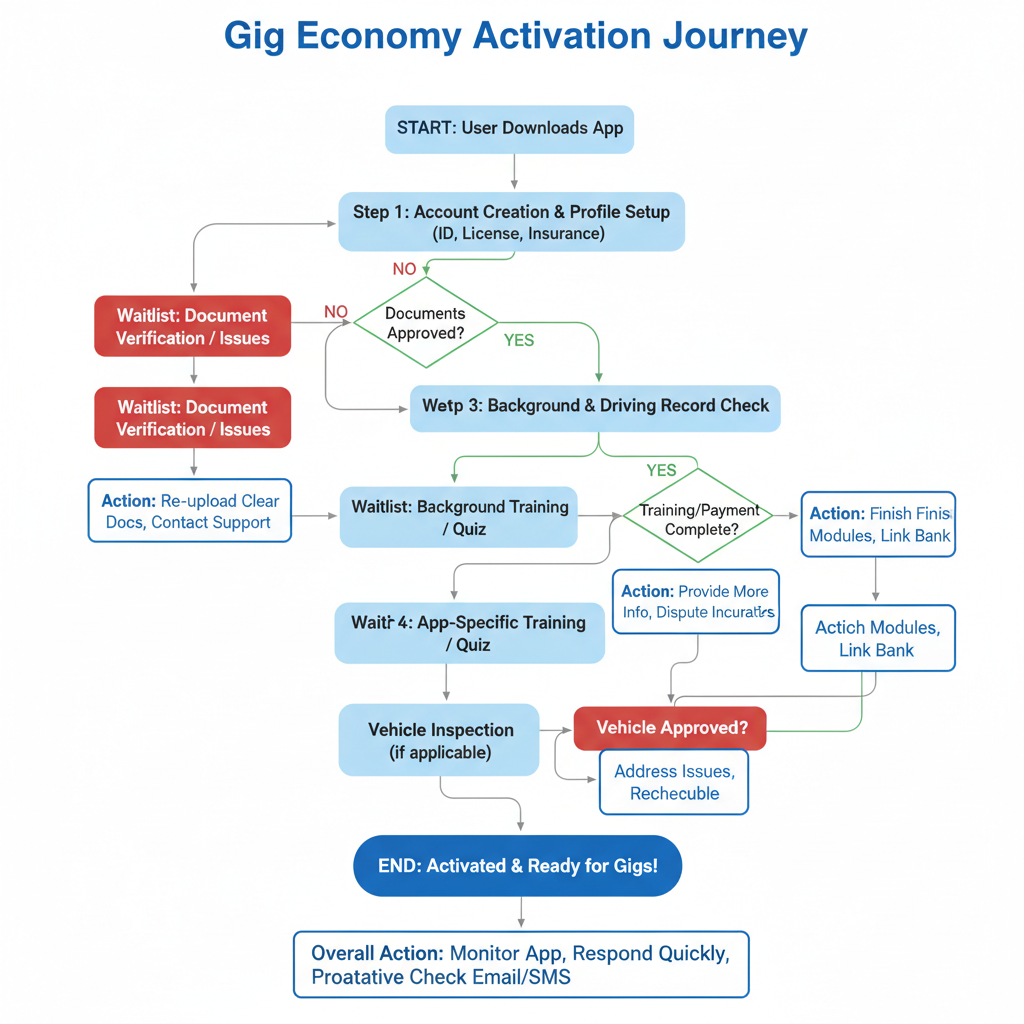
Both Amazon Flex and Instacart commonly utilize waitlists in certain markets when the supply of available drivers or shoppers significantly exceeds the current demand for deliveries. This is a highly dynamic situation that can change rapidly based on seasonal demand fluctuations, the launch of new markets, or varying contractor retention rates. Encountering a waitlist is a common experience for new applicants in established markets, and a thorough understanding of its underlying mechanisms is key to effectively navigating the onboarding process.
Why Waitlists Exist
- Market Saturation: The most common and significant reason for a waitlist is that a particular market (city or regional area) already has a sufficient number of active drivers/shoppers to adequately meet current customer demand. Platforms meticulously strive to balance supply and demand. Activating too many contractors would inevitably lead to fewer available gigs per person, thereby reducing the earning potential for existing workers and potentially making the platform less attractive. This can lead to high churn rates, directly impacting worker satisfaction and the long-term viability of the gig model in that specific area.
- Seasonal Fluctuations: Demand for deliveries often experiences significant peaks during holidays (e.g., Christmas, Mother’s Day), periods of adverse weather conditions (heavy snow, intense rain, heatwaves), or specific times of the year (e.g., back-to-school season, summer vacations). During off-peak times, when customer orders may naturally decrease, waitlists might grow as the existing contractor base is more than sufficient. Conversely, waitlists might shorten dramatically just before anticipated busy periods as platforms prepare for increased demand.
- Operational Capacity: In some instances, waitlists can be attributed to a temporary backlog in processing essential tasks such as background checks, vehicle inspections (if applicable), or simply the internal capacity of the platform to efficiently onboard and train new contractors into the system. High volumes of applications can occasionally overwhelm administrative processes, leading to delays.
- Targeted Growth and Quality Control: Platforms may strategically choose to limit new sign-ups to ensure a balanced ecosystem where drivers can consistently find work, thereby fostering greater satisfaction and retention. This approach also allows them to maintain a certain level of service quality by avoiding dilution of the contractor pool with too many new, unseasoned drivers. They might prefer to activate new drivers in controlled batches rather than on a continuous, uncontrolled basis.
- Geographic Specificity: A waitlist in one part of a large metropolitan area might not necessarily apply to another adjacent area, or a small town could have a waitlist while a larger city nearby does not. This reflects highly localized supply-demand imbalances, emphasizing that waitlist status can be very granular.
How to Get Activated Faster
Navigating a waitlist can certainly be a frustrating experience, but there are several proactive strategies and factors that might help to expedite activation. Patience combined with proactivity are absolutely key.
- Apply to Multiple Platforms: Diversifying your applications is a smart approach. Do not place all your expectations on a single platform. If Amazon Flex has a waitlist in your area, immediately try Instacart, or vice versa. Furthermore, actively explore other gig platforms that offer non-restaurant delivery services in Canada. These might include:
- Uber Eats/DoorDash: While primarily known for restaurant food delivery, both platforms have significantly expanded their offerings to include grocery, convenience store, pharmacy, and various other retail deliveries in many Canadian cities. It’s wise to check their specific offerings and availability in your immediate area. You can learn more about registering for these services in guides such as DoorDash & Uber Eats Driver Registration Canada Guide.
- Local Courier Services: Many local businesses or specialized courier companies (e.g., medical supply delivery, local retail delivery) might be actively hiring independent contractors for their specific needs.
- Walmart Spark: Walmart operates its own dedicated delivery platform in some regions of Canada, which functions similarly to Amazon Flex for its own retail goods.
- Cornershop by Uber: This platform specializes specifically in grocery delivery and is active in several major Canadian cities, offering another avenue for shoppers.
Diversifying your applications significantly increases your chances of getting activated on at least one platform sooner, allowing you to start earning.
- Be Prompt with Documentation: Once an application slot becomes available, or if you receive a request for essential documents (such as your driver’s license, proof of insurance, vehicle registration, or consent for a background check), submit them immediately and ensure they are accurate. Delays in providing necessary information can significantly prolong your wait, as applications are often processed in the order they are fully completed. It is highly advisable to have digital copies of all required documents readily available to minimize processing time.
- Ensure All Information is Correct: Meticulously double-check all personal and vehicle information before submitting your application. Even minor errors (e.g., a misspelled name, an incorrect license number) can trigger manual reviews and lead to significant delays, as they may necessitate re-submission or manual verification. Accuracy greatly speeds up automated background checks and overall processing.
- Check for Other Service Areas: If you reside close to the boundary of another market, or if you are willing to drive slightly further to commence your work, actively check if those adjacent markets are currently accepting applications. Sometimes, a smaller neighboring city or a different zone within a large city might have immediate availability when your immediate area does not. If you are successfully activated in an adjacent zone, you can typically still deliver within the broader regional area once your account is active.
- Utilize Referral Programs (if available): Occasionally, existing drivers or shoppers on a platform may be able to refer new applicants. Such referrals might potentially fast-track their application, especially during specific recruitment drives or when a particular market is actively looking to boost its contractor numbers. It is advisable to keep an eye out for such programs, which are often advertised within social media groups dedicated to gig workers.
- Maintain Communication (where possible): While direct contact with “onboarding managers” is generally rare, if the platform provides a clear avenue to check your application status or contact support regarding the waitlist, do so politely and periodically. Avoid excessive contact or “spamming,” but a polite inquiry every few weeks might be appropriate to ensure your application has not been overlooked or to inquire about expected timelines. Some platforms do offer dedicated support channels specifically for new applicants in this scenario.
- Be Patient and Persistent: The most common and often necessary advice is simply to exercise patience. Waitlists are inherently dynamic; what was closed yesterday might open tomorrow, particularly with unexpected changes in demand or a batch of inactive drivers being removed from the system. Keep the app installed, regularly check for updates, and be prepared to respond quickly if you receive an activation notification. Periods of high contractor churn or increased customer demand often lead directly to waitlist openings.
- Flexibility with Schedule (Once Active): Once activated, some platforms may prioritize or offer more opportunities to drivers who indicate broader availability or a willingness to work during peak hours (e.g., evenings and weekends for Instacart; specific high-demand delivery blocks for Amazon Flex). Demonstrating early commitment and schedule flexibility can sometimes lead to more consistent “blocks” (Amazon Flex) or “batches” (Instacart), thereby maximizing initial earning opportunities.
- Monitor Your Email/App Notifications: Activation notifications typically arrive via email or directly through the driver/shopper app. Ensure that these notifications are enabled and check them regularly, including your spam or junk folder. The response windows for accepting activation or completing final steps can sometimes be limited, so prompt action is critically important to secure your spot.
General Requirements and Considerations for Both Platforms
Beyond the specific vehicle and regional factors discussed, both Amazon Flex and Instacart share common foundational requirements for their independent contractors in Canada. A comprehensive understanding of these general prerequisites is absolutely essential for any prospective gig worker considering these roles.
- Age Requirement: Typically, applicants must be at least 18 years old to legally operate as an independent contractor in Canada. However, it is important to note that some platforms or specific provincial insurance requirements might stipulate a minimum age of 19 or even 21 years, especially if the role involves the delivery of age-restricted items like alcohol. Always confirm the precise minimum age requirement for your specific platform and geographic region.
- Valid Driver’s License: A full, non-probationary Canadian driver’s license is a mandatory requirement. Learners’ permits (e.g., G1 in Ontario) or temporary licenses are generally not accepted. The specific class of license required varies by province:
- Ontario: A full G license is required.
- British Columbia: A Class 5 (or Class 5 with an “N” if no additional restrictions apply for commercial use) is generally needed.
- Alberta: A Class 5 license is the standard requirement.
- Quebec: A Class 5 license is typically required.
- Other Provinces: Generally, a Class 5 or equivalent non-commercial driver’s license is necessary.
The driver’s license must be valid and in good standing, meaning it must not be suspended, revoked, or subject to severe restrictions.
- Clean Driving Record: A reasonably clean driving record, free of major infractions, is a universal requirement for both platforms. Platforms will conduct a comprehensive motor vehicle record (MVR) check as part of the application process. What constitutes a “clean” record can vary slightly, but generally, major offenses such as DUI/DWI (driving under the influence), reckless driving, hit-and-run incidents, or multiple recent speeding tickets or moving violations will very likely disqualify an applicant. While minor infractions might be acceptable in isolation, a discernible pattern of unsafe driving will not be. Potential drivers for other ride-sharing or delivery platforms might find useful context in guides like Driving for Uber & Lyft in Canada: Registration & Multi-App Guide.
- Background Check: Both Amazon Flex and Instacart conduct thorough criminal background checks on all applicants. This process typically involves a third-party service reviewing an applicant’s criminal history at both the provincial and national levels. The duration of this process can range from a few days to several weeks, depending on the applicant’s personal history, the efficiency of the third-party provider, and the overall volume of applications being processed. Disqualifying offenses typically include violent crimes, felonies, sexual offenses, and certain types of theft or fraud, particularly those that are directly relevant to public trust or the handling of property.
- Smartphone: A modern smartphone (typically running iOS 14 / Android 8.0 or newer) equipped with a sufficient data plan and reliable GPS capabilities is an absolute essential for both roles. The entire operational workflow, from accepting assignments and navigating to pickup/delivery locations to communicating with customers and support, and even tracking earnings, is conducted entirely through the respective mobile applications. A phone with excellent battery life or the consistent use of a portable charger is highly recommended for long shifts to avoid any interruptions.
- Right to Work in Canada: Applicants must be legally eligible to work as an independent contractor in Canada. This includes Canadian citizens, permanent residents, or individuals holding valid work permits that explicitly allow self-employment or gig work. Documentation such as a Social Insurance Number (SIN) is mandatorily required for accurate tax purposes and reporting.
- Business Registration (Recommended for Tax Purposes): While not always an immediate requirement for initial activation, it is highly advisable for gig workers to seriously consider registering as a sole proprietor with the Canada Revenue Agency (CRA). While individuals often commence operations under their own name, formal registration can significantly simplify tax filings and expense tracking, especially as income from gig work grows. For a comprehensive and in-depth understanding of your tax obligations as a gig economy worker, the Government of Canada’s guide on income tax for gig economy workers is an invaluable and authoritative resource that every independent contractor should consult.
- Understanding Independent Contractor Status: This is perhaps one of the most critical considerations for any individual entering the gig economy. Drivers and shoppers for both Amazon Flex and Instacart are classified as independent contractors, not employees. This fundamental distinction carries significant legal and financial implications:
- Taxes: As contractors, individuals are solely responsible for their own income tax remittances, in stark contrast to employees who have taxes deducted at source by their employer. They must diligently track all income and expenses and file their taxes appropriately. Furthermore, if their gross income from taxable supplies (including gig work) exceeds $30,000 in any four consecutive calendar quarters, they are also legally required to register for and remit GST/HST.
- Business Expenses: All business-related expenses incurred (including fuel costs, vehicle maintenance, specialized insurance premiums, smartphone data plans, insulated bags, tolls, and parking fees) are the sole responsibility of the contractor. Crucially, these legitimate expenses can be deducted against income for tax purposes, making meticulous record-keeping absolutely indispensable.
- Benefits: Independent contractors do not receive traditional employee benefits such as paid time off, vacation pay, employer-sponsored health insurance, sick leave, or unemployment benefits (Employment Insurance – EI) from Amazon or Instacart. They are also not covered by provincial workers’ compensation schemes. It is up to the individual to arrange for their own benefits if desired.
- Autonomy: While the platforms do dictate some operational aspects and service standards, contractors generally retain a significant degree of autonomy over their schedule and the specific “blocks” or “batches” they choose to accept.
A thorough and proactive understanding of these responsibilities is absolutely vital for sound financial planning and for avoiding unwelcome surprises, particularly during tax season.
Earnings Potential and Maximizing Income
Earnings on both Amazon Flex and Instacart are highly variable and contingent upon several factors, including fluctuating market demand, specific time of day, individual efficiency, and the generosity of customer tips. There is no guaranteed hourly wage, and net income can be significantly impacted by operational expenses.
- Amazon Flex: Drivers typically earn a flat rate for “blocks,” which are fixed durations of work (e.g., a 3-hour block might pay between $60-$80, with variations depending on the specific market and current demand). The displayed rate represents the minimum guarantee for completing that block.
- Surge Pricing: Amazon Flex frequently implements “surge pricing” during periods of exceptionally high demand (e.g., adverse weather conditions, holiday season rushes, or unexpected staff shortages at a delivery station) or when there is low driver availability. This surge pricing significantly increases the base rate for blocks, making them considerably more lucrative. Savvy drivers learn to identify and capitalize on these surge times to maximize their earnings.
- Tips: While tips are possible for some delivery types (e.g., certain Amazon.ca orders), they are generally less common and typically do not constitute a significant component of overall Flex earnings compared to platforms like Instacart.
- Effective Hourly Earnings: Drivers must conscientiously factor in all their expenses, including fuel costs, vehicle wear and tear, and specialized insurance premiums. An efficient driver who completes a block quickly and avoids operational issues will ultimately achieve a higher effective hourly rate. The density of packages per block can also impact efficiency; a block with numerous packages concentrated in a compact delivery area is usually more profitable than one with fewer packages spread across a large geographic distance.
- Instacart: Earnings for Instacart shoppers are calculated “per batch,” which consists of a base pay (influenced by the number of items, estimated shopping and driving distance, the effort required, and the type of store) plus crucial customer tips.
- Customer Tips: High customer tips are absolutely crucial for achieving significant earnings on Instacart. A substantial portion of a shopper’s take-home pay often originates from these tips. Providing excellent service – which includes clear communication with customers, making intelligent substitutions, handling items with care, and delivering orders promptly – can strongly encourage higher tips.
- Batch Availability and Value: Shoppers must be strategic and discerning about which batches they choose to accept. Some batches may offer very low base pay and tips, making them potentially unprofitable after considering time and expenses. Experienced shoppers quickly learn to assess the potential earnings versus the effort involved (item count, driving distance, presence of heavy items).
- Efficiency: For Full-Service Shoppers, efficiency both in the store (knowing layouts, quickly locating items) and on the road (optimizing delivery routes for multiple orders) is paramount. Accepting “double” or “triple” batches (where multiple customer orders are bundled into one trip) can significantly increase earnings per hour but demands excellent organizational skills to keep orders separate and accurate.
- Peak Hours: Working during peak hours (typically evenings, weekends, holidays, and often late morning/early afternoon) generally provides a greater number of batch opportunities and potentially higher-value orders.
- Boosts: Instacart occasionally adds “boosts” to batches that are not being accepted quickly, functioning similarly to surge pricing, thereby increasing their base pay to incentivize shoppers.
For both platforms, implementing strategies such as working during peak hours, understanding and leveraging surge pricing or boosts, being highly efficient with routes, minimizing expenses through smart vehicle choices and diligent maintenance, and consistently maintaining high customer service ratings can profoundly impact net income. Meticulously tracking mileage and all other eligible expenses is non-negotiable for maximizing potential tax deductions. If you are already considering other platforms, you might find valuable information in our guide on How to Become an Uber Driver in Canada: Step-by-Step Guide or How to Register for Lyft in Canada: Requirements & Setup.
Conclusion
Registering for Amazon Flex and Instacart in Canada presents compelling opportunities for flexible work within the rapidly expanding gig economy. However, achieving success and an efficient onboarding process fundamentally hinges on a clear and comprehensive understanding of the specific requirements pertinent to each platform. Amazon Flex, with its logistics-heavy model, demands particular attention to vehicle size and provincial availability, primarily concentrating its operations on major urban centers and their surrounding areas for package delivery. Instacart, while generally more widespread due to its retail partnership model, still emphasizes the necessity of reliable transportation for grocery and diverse retail shopping and delivery. It features less stringent vehicle cargo requirements but places a greater focus on the critical handling of perishable goods.
Both platforms uniformly necessitate robust personal documentation, a successful background check, and a thorough grasp of the independent contractor model, including all associated tax obligations and personal expense management. Navigating onboarding waitlists, a common hurdle encountered in popular and saturated markets, requires a combination of patience, promptness with all necessary documentation, and potentially the proactive exploration of opportunities in adjacent markets or on alternative gig platforms. By meticulously addressing all these aspects – from ensuring your vehicle fully meets the required specifications and thoroughly understanding your insurance requirements, to being proactive throughout the application process and being fully prepared for the financial realities of independent work – prospective gig workers can significantly enhance their chances of activation and establish a successful, profitable, and sustainable tenure in Canada’s dynamic non-restaurant delivery landscape.

Leave a Reply