
Signing Up for Walmart Spark, Fantuan, and HungryPanda in Canada: A Diversification Guide for Courier Drivers
The Canadian gig economy, particularly in the realm of last-mile delivery, has long been dominated by household names like Uber Eats and DoorDash. For many independent couriers, relying solely on these established platforms can lead to unpredictable income, intense competition, and a feeling of being at the mercy of dynamic pay structures. The pursuit of greater financial stability and diversified earning opportunities has driven a significant number of drivers to explore alternative delivery applications. This comprehensive guide delves into the specifics of signing up for Walmart Spark, Fantuan Delivery, and HungryPanda in Canada, offering insights into their application processes, operational nuances, and critical distinctions in language support, payment cycles, and tax obligations, all aimed at empowering drivers to expand their professional horizons and enhance their earnings.
Diversifying Your Portfolio: Why Look Beyond the Giants?
The appeal of the gig economy lies in its flexibility and potential for supplementary income. However, market saturation, fluctuating demand, and algorithmic pay adjustments on major platforms can erode profitability for individual drivers. Intense competition can drive down per-delivery earnings, and reliance on a single platform leaves drivers vulnerable to policy changes, temporary account deactivations, or unexpected downtimes. By incorporating platforms like Walmart Spark, Fantuan, and HungryPanda into their operational portfolio, couriers can tap into different market segments, reduce downtime between orders, and potentially access more lucrative niches or specific customer bases.
Walmart Spark offers a direct connection to a massive retail giant, focusing on groceries and general merchandise. This often translates to larger order sizes and potentially higher earnings per trip, appealing to drivers looking for fewer, more substantial deliveries rather than many small ones. Fantuan and HungryPanda, conversely, specialize in serving Canada’s vibrant East Asian communities, primarily with restaurant and grocery deliveries. This presents a distinct customer base and often unique operational dynamics, including bilingual support and specialized menus that cater to cultural preferences. Understanding these platforms is crucial for any driver aiming for a resilient and profitable independent contracting career, providing a strategic advantage in a competitive market.
How to Apply for Walmart Spark Driver in Canadian Markets
Walmart Spark Driver is Walmart’s proprietary delivery service, enabling independent contractors to deliver groceries and general merchandise directly to customers’ homes. While extensively established in the United States, its presence in Canada has been steadily growing, offering a significant opportunity for drivers looking to move beyond traditional food delivery. This expansion provides a stable alternative, leveraging Walmart’s vast retail footprint and customer base to offer consistent delivery opportunities, often with larger order sizes that can translate to better earnings per trip. For drivers seeking to diversify their income streams, Walmart Spark presents a compelling option, particularly given the consistent demand for grocery and retail delivery services.
Understanding the Spark Driver Model in Canada
Walmart Spark functions on a model similar to other gig platforms but with a distinct focus on large-volume retail and grocery orders. Drivers are tasked with picking up pre-staged orders from Walmart stores (including Supercentres and Neighborhood Markets, where applicable) or picking up orders directly from the store’s pickup area. This often involves significant grocery hauls, sometimes including multiple large bags of groceries, cases of bottled water, or even small household items. Consequently, while the frequency of individual orders might be lower than, say, picking up a single food item from a fast-food restaurant, the earnings per delivery can be substantially higher. This model appeals to drivers who prefer fewer stops with potentially greater payouts and who are comfortable handling larger, sometimes heavier, items. The distinct advantage here is the massive volume of potential orders generated by Walmart’s daily sales, providing a relatively steady stream of delivery requests that can offer more predictable income compared to the fluctuating demand of solely food-based platforms.
Eligibility Requirements for Spark Driver in Canada:
Before embarking on the application process, prospective drivers must ensure they meet Walmart Spark’s fundamental requirements, which are designed to ensure reliability, safety, and customer satisfaction for the vast retail operation. Adhering to these criteria is essential for a successful application and sustained engagement with the platform.
- Age: Applicants must be at least 18 years old. While some gig platforms require drivers to be 21, 18 is typically the minimum for independent contractors in Canada, aligning with the legal age for most contractual agreements and ensuring drivers are mature enough to handle the responsibilities.
- Valid Driver’s License: A full, non-probationary Canadian driver’s license is mandatory. This ensures that drivers have sufficient driving experience and are not subject to the restrictions often associated with graduated licensing programs, which can limit driving hours or passenger capacity. A clean driving record is also implicitly expected for insurance and safety reasons.
- Proof of Vehicle Insurance: Drivers must possess valid automobile insurance that meets or exceeds provincial minimum requirements. Crucially, while Spark considers drivers independent contractors, it is strongly advised that drivers verify their insurance policy covers commercial use or delivery services. Personal insurance policies often explicitly exclude such activities, meaning that in the event of an accident while on duty, a claim could be denied. Obtaining a commercial rider or specific gig-economy insurance is a vital step to protect oneself financially and legally. For comprehensive guidance on ensuring you’re adequately covered, refer to our guide on Canadian Rideshare Auto Insurance: Get Approved & Stay Covered. The Financial Consumer Agency of Canada also provides excellent guidance on gig economy insurance considerations.
- Reliable Vehicle: A reliable vehicle, typically a 2000 model year or newer, is required. Given the nature of grocery deliveries, which can involve bulky or numerous items, larger vehicles like SUVs, minivans, or trucks are often advantageous for capacity and ease of loading, though sedans can also qualify. The vehicle must be in good working condition, regularly maintained, and able to safely transport groceries and potentially bulky general merchandise without compromising product integrity or driver safety. Regular vehicle inspections and maintenance are implied for continued eligibility and operational efficiency.
- Smartphone: A modern smartphone (iOS or Android) capable of running the Spark Driver app, with a reliable data plan, is essential. The app is the central hub for accepting orders, navigating to pickup and drop-off locations, communicating with customers, and managing earnings. Without a consistently functional device and data connection, effective operation is impossible, and drivers risk missing out on lucrative delivery opportunities.
- Background Check: All applicants must consent to and pass a comprehensive background check. This standard procedure across reputable delivery platforms typically includes a review of driving records (to assess safety and past infractions) and criminal history (to ensure public safety and trustworthiness). This process can sometimes take several days to weeks, depending on the provincial records and the third-party provider’s efficiency. For information on navigating common issues, consult our guide on Canadian Gig Driver Background Checks: Resolve Delays & Rejections.
- Right to Work in Canada: Applicants must be legally eligible to work in Canada. This means being a Canadian citizen, a permanent resident, or holding a valid work permit that explicitly allows for self-employment or contract work. Verification of this status is a non-negotiable part of the application, ensuring compliance with Canadian labour laws.
The Application and Onboarding Process:
The application for Walmart Spark Driver is primarily conducted online, designed to be streamlined and user-friendly, much like other modern gig platforms. Following these steps carefully will help ensure a smooth onboarding experience.
- Online Application Portal: Begin by visiting the official Walmart Spark Driver website for Canada. You will typically be prompted to enter basic personal information such as your full name, address, contact details, and agree to the platform’s terms of service and privacy policy. Ensure all information is accurate and matches your official documents.
- Account Creation: Create a driver account using a valid email address and establish a secure password. This account will serve as your primary interface with the Spark platform for managing your profile, viewing earnings, and accessing support.
- Document Uploads: You will need to upload digital copies (clear photos or scans) of your driver’s license (front and back), vehicle registration, and proof of insurance. Ensure these documents are current, legible, and match the information provided in your application. Any discrepancies or unclear images can significantly delay the review process.
- Background Check Consent: Provide explicit consent for Walmart’s chosen third-party background check provider to conduct the necessary checks on your driving record and criminal history. You will usually receive a separate email or link from the background check company to complete this step. This crucial process can take anywhere from a few days to several weeks, depending on the jurisdiction, the thoroughness of the check, and the volume of applications. Patience during this stage is often required.
- App Download and Setup: Once your background check is cleared and your application is provisionally approved, you will receive instructions to download the Spark Driver app from your smartphone’s app store (Apple App Store for iOS or Google Play Store for Android).
- Profile Configuration: Within the app, you will configure your driver profile, which may include setting your preferred availability, reviewing driver guidelines, safety protocols, and best practices. Some regions might require a brief online orientation module or a virtual information session to familiarize new drivers with the platform’s specific functionalities and expectations, ensuring they are well-prepared before their first delivery.
- Payment Setup: Link your Canadian bank account for direct deposits of your earnings. This typically requires providing your bank name, institution number, transit number, and your personal bank account number. Accuracy here is vital to ensure timely and correct payments; any errors could delay your payouts.
- Activation: Upon successful completion of all preceding steps, including document verification and background clearance, your account will be fully activated. You will then be able to log in, go online, and begin accepting delivery offers from your local Walmart stores.
Key Considerations for Spark Drivers:
- Order Types: Spark offers various order types that drivers can receive, each with different characteristics and potential earnings:
- “DotCom” orders: These are general merchandise deliveries, often comprising multiple smaller orders grouped together for efficient route planning. They can include anything from clothing to electronics to home goods. These orders often offer good base pay for multi-stop efficiency.
- “Grocery” orders: These are typically larger, temperature-sensitive grocery orders, often batched to a single customer or sometimes to multiple customers along a similar route. These require careful handling, often insulated bags, and a vehicle with sufficient space. They tend to have higher payouts due to size and complexity.
- “Express” orders: These are urgent, single-customer orders, usually smaller in size, designed for rapid delivery within a short timeframe. They often come with higher base pay due to their time-sensitive nature, making them appealing for quick, lucrative runs. Understanding these types allows drivers to strategize which orders to accept based on their vehicle capacity, time availability, and desired earnings.
- Earnings Structure: Earnings are typically structured per delivery, often comprising a base pay determined by factors like distance, estimated time, and effort required, plus customer tips. Walmart also frequently offers incentives, such as earning bonuses for completing a certain number of deliveries within a specific timeframe or during peak hours. These incentives can significantly boost overall earnings and are often a key motivator for drivers during busy periods.
- Customer Interaction: While the primary interaction is with store associates during pickup, some interaction with customers for drop-off is required, especially for signature-required deliveries or when customers prefer direct hand-off. Professionalism, courtesy, and good customer service are paramount to maintain good ratings and encourage positive customer feedback, which can influence future delivery opportunities.
- Physical Demands: Grocery delivery, particularly for larger orders, can be physically demanding. It often involves lifting and carrying heavy bags, cases of drinks, and other bulky items from the store to your vehicle and then to the customer’s doorstep. Drivers should be physically prepared for this aspect of the job and consider investing in equipment like a collapsible dolly for heavier items.
- Market Availability: Spark’s presence is expanding across Canada but may not be available in all smaller towns or rural areas. Drivers should check if Spark operates in their specific city or region before applying to avoid disappointment. Major metropolitan areas and their surrounding suburbs are typically the first to see such expansions and offer the most consistent opportunities.
Onboarding with Fantuan Delivery and HungryPanda in Canada
Fantuan Delivery and HungryPanda are two prominent platforms catering specifically to the Chinese-speaking communities in Canada, offering specialized food and grocery delivery services. While their operational models share similarities with mainstream apps, their unique demographic focus and cultural nuances make them appealing alternatives for drivers, especially in cities with large East Asian populations. These platforms are particularly strong in major Canadian urban centers like Vancouver, Toronto, Calgary, and Montreal, where they have cultivated a loyal customer base and a vast network of partner restaurants and grocery stores serving these communities. For drivers seeking to tap into a distinct and often underserved market, these platforms offer compelling opportunities.
Fantuan Delivery: A Deep Dive into Application and Operation
Fantuan (literally “rice ball” in Chinese) has grown rapidly to become a dominant player in delivering Asian cuisine and specialty groceries. Its bilingual platform and tailored services resonate strongly within the community it serves, providing a culturally specific alternative to broader delivery services. Drivers on Fantuan often find themselves delivering unique and authentic Asian dishes that are not readily available on other platforms, catering to a loyal customer base.
Eligibility Requirements for Fantuan Drivers:
- Age: Typically 18 years or older, consistent with most gig economy driving roles and Canadian labour laws.
- Valid Driver’s License: A valid Canadian driver’s license is required for car deliveries. For scooter or bicycle delivery, which are common in dense urban cores like downtown Vancouver or Toronto, a valid government-issued ID may suffice, along with appropriate vehicle registration if applicable (for scooters). This flexibility in vehicle type allows a wider range of individuals to participate, catering to different urban environments.
- Proof of Vehicle Insurance and Registration: Valid vehicle insurance and registration are required for car deliveries. As with Spark and other platforms, it is paramount to verify that your insurance policy covers commercial delivery work. Personal policies are generally insufficient and could lead to significant financial risk in case of an accident, leaving you liable for damages.
- Reliable Vehicle: A reliable car, scooter, or bicycle suitable for delivery. The choice of vehicle depends on the driver’s preference, the local urban landscape, and the type of orders they wish to undertake (e.g., larger grocery orders typically require a car). The vehicle must be in good operating condition to ensure safe and efficient deliveries.
- Smartphone: A smartphone with an active data plan capable of running the Fantuan driver app is essential. The app is the primary tool for receiving orders, navigation, and communicating with the platform, restaurants, and customers. A reliable device ensures seamless operation.
- Background Check: Consent to and clear a criminal record check. This is a standard safety measure implemented by all reputable delivery platforms to ensure the trustworthiness and reliability of their drivers, protecting both customers and partners.
- Right to Work in Canada: Legal eligibility to work in Canada is a must. Fantuan often attracts international students and newcomers from East Asian countries, so clarity on work permit restrictions and their allowance for independent contractor work is especially important for this demographic. Drivers must ensure their work permits permit self-employment.
- Thermal Bag: A high-quality thermal insulated bag for food transport is usually required to maintain food temperature and quality, crucial for customer satisfaction, especially with hot or cold meals. Drivers may be required to purchase one from Fantuan or demonstrate ownership of a suitable bag that meets their specifications.
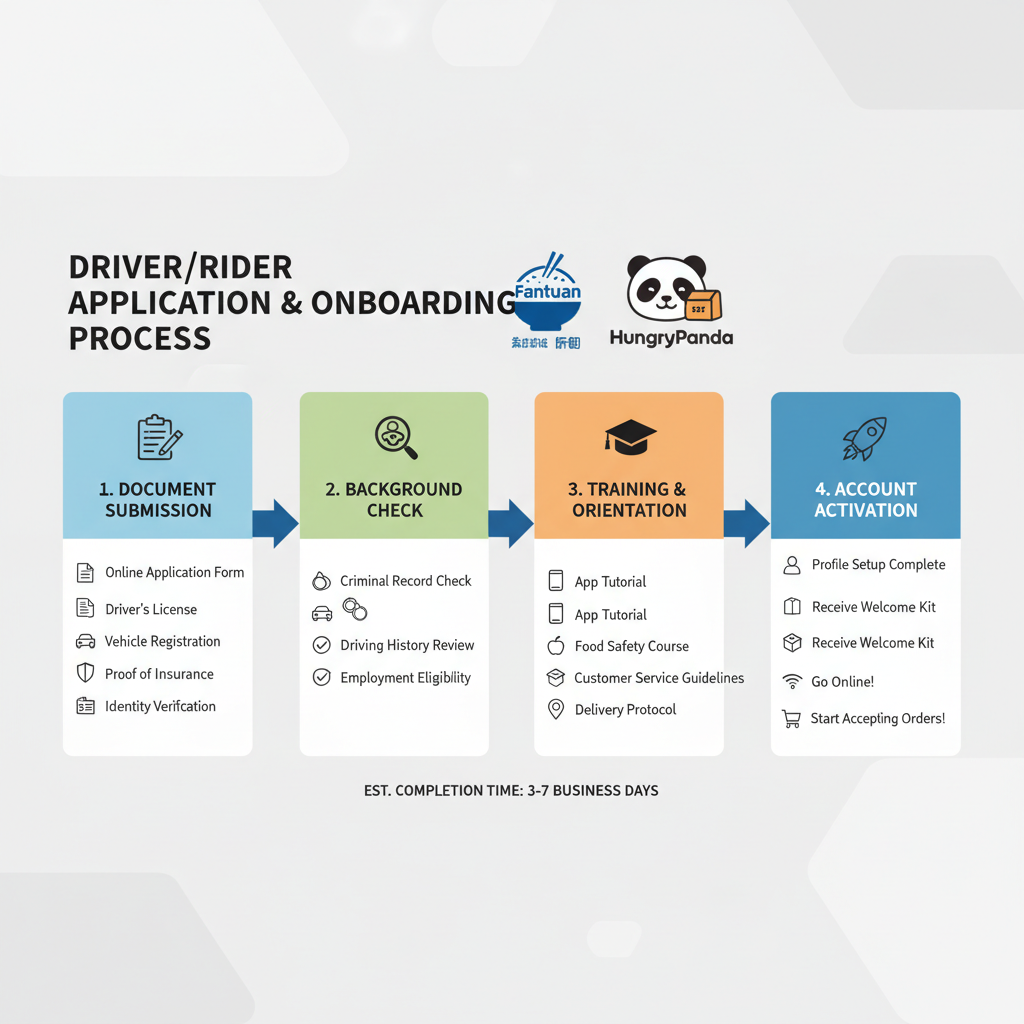
The Fantuan Application and Onboarding Process:
- Online Registration: Start by visiting the Fantuan Delivery driver signup page on their official website. You’ll fill out an initial application form requiring personal details, contact information, and your desired city of operation. Accuracy in this step is vital for future communications.
- Document Submission: Upload necessary documents. This typically includes clear digital copies of your driver’s license, vehicle insurance, vehicle registration, and proof of your right to work in Canada (e.g., PR card, work permit, Social Insurance Number). Ensure legibility to avoid delays.
- Background Check Initiation: Fantuan will initiate a background check through a third-party provider. This process can take varying amounts of time depending on the jurisdiction and the background check provider’s workload, similar to other gig platforms.
- Interview/Information Session: In some regions or during periods of high recruitment, Fantuan may invite applicants for a brief interview or an online information session. This serves as an opportunity for Fantuan to assess a candidate’s suitability and for applicants to ask questions about the platform, its operations, and expectations, providing valuable insights.
- Training and Onboarding: Upon approval, drivers usually undergo an online or in-person training session. This comprehensive training covers how to effectively use the Fantuan driver app, best practices for order acceptance and delivery, specific customer service expectations within the cultural context, and important safety guidelines. Fantuan’s app interface and system may have specific nuances that differ from other platforms, making this training valuable for efficient operation.
- Account Activation & Equipment: Once training is complete and your profile is fully set up and verified, your account will be activated. You may also be offered or required to purchase official Fantuan gear, such as a uniform or a specifically branded delivery bag, which helps maintain brand consistency and professionalism.
- Payment Information: Provide your Canadian bank account details for direct deposit of earnings. This ensures that your weekly or bi-weekly payments are transferred accurately and efficiently, and incorrect details can cause significant delays.
Key Operational Aspects for Fantuan Drivers:
- Order Volume: Fantuan experiences high demand during traditional lunch and dinner rushes, and particularly significant spikes during specific East Asian holiday periods (e.g., Lunar New Year) or major community events. Understanding these peak times allows drivers to maximize their earnings by strategically scheduling their work.
- Restaurant Partnerships: Fantuan boasts an extensive network of Asian restaurants, ranging from well-established eateries to smaller, authentic local spots that may not be available on mainstream platforms. This niche offers a unique variety of orders and caters to a specialized palate.
- Customer Base: Primarily Chinese-speaking customers. This impacts communication strategies; while English is often sufficient, being able to communicate in Mandarin or Cantonese can significantly enhance customer satisfaction and potentially tips, fostering a stronger connection with the community.
- Delivery Zones: Fantuan operates within clearly defined operational zones within major cities, often concentrating on areas with high concentrations of East Asian communities and businesses. This strategic focus helps optimize delivery routes and reduce travel times.
HungryPanda: Application and Operational Details
HungryPanda is another major player in the niche of Asian food delivery, often competing directly with Fantuan. It caters to a similar demographic and offers a comparable service experience, focusing on authentic Asian cuisine and specialty grocery items for Canada’s diverse urban populations. Drivers on HungryPanda can expect to deliver a wide array of dishes from various Asian cuisines, serving a growing demand for authentic cultural food experiences.
Eligibility Requirements for HungryPanda Drivers:
The requirements for HungryPanda drivers largely mirror those of Fantuan, focusing on reliability, legality, and appropriate equipment, ensuring a consistent standard of service and safety across its operations.
- Age: 18 years or older, ensuring compliance with local employment and contracting laws in Canada.
- Valid Driver’s License: A valid Canadian driver’s license is required for car delivery. For bicycle or scooter couriers, a valid government-issued ID is usually sufficient, alongside any necessary vehicle registration for motorized two-wheelers, providing flexibility in delivery methods.
- Vehicle & Insurance: A reliable vehicle (car, scooter, or bicycle) is necessary, along with valid insurance and registration. Again, verifying commercial insurance coverage is highly recommended to protect against liabilities incurred during delivery, as personal insurance policies typically do not cover commercial activity.
- Smartphone: A modern smartphone with a robust data plan is needed to operate the HungryPanda driver app effectively, ensuring constant connectivity for order acceptance and navigation.
- Background Check: A mandatory criminal record check must be consented to and successfully cleared before onboarding, a standard practice for ensuring driver integrity and public safety.
- Right to Work: Legal eligibility to work in Canada is a fundamental requirement, verified through appropriate documentation like work permits, PR cards, or citizenship proofs, ensuring compliance with federal immigration and labour laws.
- Thermal Bag: A food delivery bag designed to maintain food temperature is required. HungryPanda may provide or sell these, or drivers may need to supply their own that meets specified standards, guaranteeing food quality during transit.
The HungryPanda Application and Onboarding Process:
The steps for joining HungryPanda are very similar to Fantuan, reflecting industry standards for gig economy platforms and ensuring a systematic approach to driver recruitment and integration.
- Online Application: Navigate to the HungryPanda driver recruitment portal on their official website. You will be asked to complete an initial application form with your personal details, vehicle information, and contact details, which forms the basis of your driver profile.
- Document Uploads: Submit clear scans or photos of your essential documents: driver’s license, vehicle documents (registration, insurance), and proof of your work eligibility in Canada. Clear documentation prevents processing delays.
- Background Check: Consent to and ensure successful completion of a criminal background check, initiated by HungryPanda, which is a critical step for security and trust.
- Online/In-Person Induction: HungryPanda typically offers an online induction session or provides comprehensive digital materials. This training covers essential topics such as app usage, delivery protocols, safety guidelines, and customer interaction best practices specific to their platform, preparing drivers for real-world scenarios.
- Account Activation: Once all necessary checks are cleared and the induction/training is completed to their satisfaction, your driver account will be fully activated, allowing you to start accepting orders and begin earning.
- Payment Setup: Provide your Canadian bank account information to ensure that your earnings are deposited directly, typically on a weekly or bi-weekly schedule. Accurate bank details are crucial for timely payments.
Key Operational Aspects for HungryPanda Drivers:
- Market Niche: HungryPanda has a strong focus on authentic Asian cuisine, including popular dishes from various regions of Asia, as well as specialty groceries that cater specifically to the Asian demographic. This allows drivers to serve a dedicated and often growing customer base.
- Geographic Focus: Like Fantuan, HungryPanda is concentrated in major cities such as Vancouver, Toronto, Calgary, and Montreal, strategically targeting areas with high Asian populations to maximize delivery efficiency and customer reach.
- Driver Support: HungryPanda often provides bilingual support channels for its drivers, typically in English and Chinese, to accommodate its diverse driver base and ensure effective communication and problem-solving, which is a significant advantage for non-English speaking drivers.
- Incentive Programs: Drivers can often benefit from regular incentive programs and bonuses, which might include peak hour boosts, long-distance delivery bonuses, or rewards for achieving certain delivery milestones within a set period. These programs are designed to motivate drivers and ensure service coverage during high-demand times, boosting overall earnings.
Language Support, Payment Cycles, and Tax Slip Differences Across Alternative Courier Apps
Beyond the initial application process, understanding the operational differences in language support, payment structures, and tax responsibilities is critical for drivers managing multiple platforms. These elements directly impact a driver’s daily experience, earnings potential, and legal compliance, forming the backbone of their independent contracting career in Canada. Navigating these nuances effectively can significantly contribute to a driver’s success and financial well-being.
Language Support: A Critical Differentiator
For drivers working in a diverse country like Canada, language support can significantly influence job satisfaction, efficiency, and the overall ease of doing business. It’s not just about communication with the platform, but also with restaurants and customers, making it a key factor in a driver’s daily operations.
-
Walmart Spark Driver:
- Primarily operates in English across Canada. In Quebec, adhering to provincial language laws, the app interface and customer communications may offer French language options, catering to the francophone population. This reflects Walmart’s broader market approach.
- Customer support for drivers is predominantly in English, meaning that drivers must be comfortable articulating issues and understanding instructions in English. This platform is most suitable for drivers who are proficient in English, or French in specific regions, as most interactions and support materials will be in these languages.
- Any in-app instructions or alerts, as well as communications from store staff during pickup, will be in the predominant local language, requiring drivers to have a good grasp of it.
-
Fantuan Delivery & HungryPanda:
- These platforms are distinct due to their robust bilingual (English and Chinese – Mandarin/Cantonese) support, a cornerstone of their service model that targets specific linguistic communities. This dual-language approach is deeply integrated into their operations, from the app to customer service.
- Driver App Interface: The driver applications are often available in both English and Chinese, allowing drivers to select their preferred language for navigation, order details, and general app functionality. This is a significant advantage for Chinese-speaking drivers who may find navigating other predominantly English platforms challenging or less intuitive, ensuring comfort and efficiency.
- Customer Support: Driver support hotlines and chat functions typically offer assistance in both English and Chinese, ensuring effective and culturally sensitive communication regardless of the driver’s primary language. This minimizes misunderstandings and allows for quicker resolution of issues, building trust and satisfaction among drivers.
- Restaurant & Customer Interaction: While many deliveries are contactless, occasional direct interaction with restaurant staff or customers may occur. In areas with high Chinese populations, being able to communicate in Mandarin or Cantonese can be a huge asset. It can lead to smoother pickups (e.g., clarifying order details with non-English speaking restaurant staff), easier customer drop-offs, and potentially higher tips due to enhanced customer satisfaction. Drivers without Chinese language skills will still operate effectively, as most partner restaurants and customers also have English-speaking capabilities, but the bilingual option adds a layer of comfort and efficiency for many.
- Marketing & Instructions: Order details, special instructions from customers, and platform promotional materials might sometimes include Chinese characters. The apps are designed to display these correctly, ensuring drivers receive all necessary information and can accurately fulfill orders.
Payment Cycles: Understanding When and How You Get Paid
Consistency and clarity in payment are paramount for independent contractors who are managing their personal finances and often juggling expenses like fuel and vehicle maintenance. Understanding the payment cycle helps drivers plan their finances and manage cash flow effectively.
-
Walmart Spark Driver:
- Typically offers weekly direct deposits. Earnings accrued from Monday to Sunday are usually processed and deposited into the driver’s linked Canadian bank account by the following Tuesday or Wednesday. This consistent schedule allows for predictable income planning, which is highly valued by independent contractors.
- Some regions or specific payment providers integrated with Spark might offer an “Instant Cash Out” option for a small transaction fee. This feature allows drivers to access their earnings more quickly, sometimes on a daily basis, offering flexibility for immediate financial needs. This is often facilitated through a third-party payment service accessible within the Spark app, providing a valuable option for managing urgent expenses.
- Drivers receive a detailed earnings statement within the app, meticulously outlining base pay for each delivery, customer tips, any incentive bonuses earned, and any deductions (e.g., instant cash-out fees). This transparency allows drivers to track their income effectively.
-
Fantuan Delivery & HungryPanda:
- Both platforms generally follow a weekly payment cycle, with earnings transferred via direct deposit to the driver’s Canadian bank account. The cutoff for the earning period is usually Sunday night, with payments typically arriving in bank accounts by the middle of the following week (e.g., Wednesday or Thursday), depending on bank processing times. This aligns with industry standards for gig economy payments.
- There may be minimum payout thresholds (e.g., a minimum amount must be earned before a payout is triggered). If weekly earnings fall below this threshold, they roll over to the next payment cycle until the minimum is met. This is a common practice to avoid excessive transaction fees for small payouts and ensures drivers receive more substantial deposits.
- Drivers can track their real-time earnings and view their complete payment history within their respective driver apps, providing transparency and aiding in personal financial management. Any bonuses, incentives, or adjustments earned are usually integrated into the weekly payout statement, giving a clear picture of total income.
Tax Slip Differences and Independent Contractor Obligations
A crucial aspect for all gig economy drivers in Canada is understanding their tax obligations as independent contractors. Unlike employees who receive T4 slips, self-employed individuals are fully responsible for tracking and reporting their gross income and meticulously deducting eligible business expenses. This responsibility shifts the entire tax burden, including contributions to social programs, onto the individual, requiring proactive financial management.
-
General Independent Contractor Status:
- All drivers for Spark, Fantuan, HungryPanda, along with more ubiquitous platforms like Uber Eats and DoorDash, are classified as independent contractors, not employees. This fundamental distinction has profound implications for financial planning and legal responsibilities:
- No Source Deductions: No income tax, Canada Pension Plan (CPP) contributions, or Employment Insurance (EI) premiums are deducted at source by the platforms. Drivers receive their gross earnings (minus platform fees) and must manage these obligations themselves. This means drivers must budget for these expenses throughout the year.
- Tax Responsibility: Drivers are solely responsible for calculating and paying their own income tax, covering both federal and provincial components. This requires careful record-keeping and understanding of tax brackets and credits.
- CPP Contributions: Drivers are responsible for making both the “employee” and “employer” portions of Canada Pension Plan (CPP) contributions, effectively doubling their contribution rate compared to employed individuals. This can be a significant expense that needs to be accounted for.
- No EI Eligibility: Drivers are not eligible for Employment Insurance (EI) benefits based on their gig work earnings, as they do not pay into the system as employees. This highlights the importance of personal savings and financial planning to cover periods of illness, injury, or unexpected unemployment.
- T2125 Form: Drivers must file a T2125 Statement of Business or Professional Activities with their annual income tax return. This comprehensive form reports all gross income earned from self-employment and, crucially, allows for the deduction of eligible business expenses. Maximizing these deductions significantly reduces taxable income, lowering the overall tax burden, making accurate expense tracking essential.
- All drivers for Spark, Fantuan, HungryPanda, along with more ubiquitous platforms like Uber Eats and DoorDash, are classified as independent contractors, not employees. This fundamental distinction has profound implications for financial planning and legal responsibilities:
-
Tax Slip Issuance (T4A/Summary Reports):
- Walmart Spark Driver: In Canada, platforms are generally required to issue a T4A slip (Statement of Pension, Retirement, Annuity, and Other Income) to independent contractors if they pay over a certain threshold (e.g., $500 in a calendar year). Walmart Spark typically provides an annual earnings summary or a T4A slip for earnings exceeding this threshold, detailing the gross payments made to the driver. This information is usually accessible through the driver portal or mailed.
- Fantuan Delivery & HungryPanda: Similar to Spark and other major gig platforms, these services usually provide an annual earnings summary or a T4A slip if earnings exceed the required threshold. Given their established operations and substantial driver bases in Canada, they are accustomed to providing proper documentation for Canadian tax purposes. Drivers should expect to receive these documents by the end of February for the previous tax year, which is the standard deadline for T4A issuance. It is crucial for drivers to verify with each platform directly regarding their specific policy on T4A issuance and how to access these documents to ensure accurate tax filing.
-
Key Deductible Expenses for Gig Drivers:
- To accurately complete the T2125 form and minimize tax liability, meticulous record-keeping of expenses is paramount. The Canada Revenue Agency (CRA) provides a comprehensive guide for self-employed individuals which is an indispensable resource. Drivers should consult this guide and consider the following common deductions:
- Vehicle Expenses: This is typically the largest deduction for delivery drivers. It includes fuel, oil changes, tire purchases and rotations, general repairs, regular maintenance, vehicle insurance (the portion attributable to business use), lease payments or depreciation (Capital Cost Allowance if you own the vehicle), and vehicle registration fees. It is crucial to track mileage diligently (business vs. personal) as this forms the basis for calculating the business portion of these expenses.
- Cell Phone & Data: A portion of your monthly cell phone bill and data plan, proportionate to its business use (e.g., if you use your phone 70% for delivery work, you can deduct 70% of the cost). A dedicated business phone or plan can simplify this.
- Equipment: Costs associated with delivery-specific equipment such as high-quality insulated delivery bags, phone mounts, portable chargers, safety vests, and even uniforms if required by the platform. These are direct business costs.
- Home Office Expenses: If a dedicated space in your home is used exclusively and regularly for administrative tasks related to your delivery business (e.g., record-keeping, scheduling, communicating with platforms), a portion of rent/mortgage interest, utilities, and internet may be deductible. Strict CRA rules apply, so proper justification and calculation are necessary.
- Professional Fees: Fees paid for accounting services, tax preparation services, or legal advice related to your business, as these are necessary expenses for managing your self-employment.
- Licensing & Fees: Any business licenses or permits required by your municipality or province to operate as a self-employed delivery driver.
- Mileage Tracking: It is imperative to meticulously track all kilometers driven for business purposes. This can be done using dedicated mileage tracking apps (e.g., MileIQ, Everlance) or a simple, detailed logbook. Accurate mileage records are vital for calculating the business portion of your vehicle expense deductions and are a key area the CRA may review during an audit. This tracking must be consistent and detailed.
-
GST/HST Registration:
- Independent contractors in Canada must register for a Goods and Services Tax / Harmonized Sales Tax (GST/HST) number if their gross revenue from taxable supplies (which includes delivery services) exceeds $30,000 in a single calendar quarter or over four consecutive calendar quarters. This threshold applies to your total self-employment income, not just income from one platform.
- Once registered, drivers must collect GST/HST on their services (this is often seamlessly handled by the platforms, adding it to the customer’s total, though drivers are technically responsible for remitting it) and remit it to the Canada Revenue Agency (CRA), typically on a quarterly or annual basis. They can also claim Input Tax Credits (ITCs) for the GST/HST paid on their business expenses, effectively reducing the net amount of tax owed. For more detailed guidance, see our article on GST/HST Registration for Canadian Rideshare Drivers: Before First Trip.
- Failing to register when required can lead to penalties, interest, and back taxes. Drivers nearing this threshold should proactively consult with a qualified tax professional to ensure compliance and understand their obligations, as early planning is crucial.
By understanding these nuances, drivers can make informed decisions about which platforms best suit their linguistic capabilities, financial planning, and tax preparedness, contributing to a more diversified and robust income stream in the competitive Canadian gig economy. Effective management of these aspects transforms gig work from a temporary income source into a sustainable and profitable independent career.
General Advice for Maximizing Earnings and Managing Multiple Apps
Diversifying your delivery app portfolio is a strategic move that can significantly enhance your earning potential and stability. However, it requires careful management and foresight to be truly effective and profitable. Simply signing up for multiple apps is not enough; strategic execution is key.
1. Strategic App Management:
* Multi-apping: Many experienced drivers run multiple apps simultaneously. This involves toggling between active apps, monitoring order requests from each, and strategically accepting the most lucrative orders. This requires discipline, quick decision-making, and a keen awareness of your current location. Be mindful of each platform’s acceptance rate policies, as some may temporarily pause new offers or reduce priority for drivers with consistently low acceptance. The goal is to minimize idle time and maximize earnings per hour.
* Peak Hours & Zones: Understand that different platforms have different peak demand periods and geographical hotspots. Walmart Spark might be busiest during traditional grocery shopping hours (mid-day, evenings, and especially weekends), while Fantuan and HungryPanda will see significant spikes during lunch, dinner, and late-night hours, particularly on weekends and holidays when people are more likely to order takeout. Strategically position yourself in areas known to be busy for the app you’re currently prioritizing. Observing local demand patterns is crucial for this.
* Location Strategy: Develop a dynamic strategy for your location. If a Walmart Spark order takes you near a cluster of Asian restaurants or a Fantuan/HungryPanda heavy zone, consider logging into those apps for your next order to minimize “dead mileage” (driving without an active order) between deliveries. Conversely, if food orders are slow, switch to a platform that might have consistent grocery runs. Continuously evaluating your location relative to potential orders across all active apps is a cornerstone of effective multi-apping.
2. Optimize Your Vehicle and Equipment:
* Fuel Efficiency: Fuel is often the largest variable expense for delivery drivers. A fuel-efficient vehicle is crucial for maximizing net earnings. Consider the cost-effectiveness of an older, less efficient vehicle versus the investment in a newer, more economical model. Driving habits, such as avoiding aggressive acceleration and braking, also play a significant role in fuel consumption.
* Maintenance: Regular and proactive vehicle maintenance is non-negotiable. Adhering to your vehicle’s service schedule minimizes the risk of unexpected breakdowns, costly repairs, and significant downtime that directly impacts your income. Keep detailed records of all maintenance and repair costs for tax deduction purposes; these can be substantial. Neglecting maintenance inevitably leads to greater long-term costs and lost earning opportunities.
* Delivery Gear: Invest in high-quality insulated bags to maintain food temperature (hot or cold), a robust phone mount for safe navigation, and a powerful portable charger to ensure your phone doesn’t die mid-delivery. For grocery deliveries, particularly for Walmart Spark, consider durable, collapsible crates or large reusable bags to help organize and transport multiple items efficiently, protecting them from damage and simplifying unloading at the customer’s door.
3. Insurance Considerations:
* Commercial Coverage: This point cannot be stressed enough: personal auto insurance policies in Canada typically exclude coverage for accidents that occur while using your vehicle for commercial purposes, including paid delivery services. If you get into an accident while driving for a gig platform without the proper insurance, your claim could be denied, leaving you personally liable for damages, medical costs, and potential legal fees that could amount to hundreds of thousands of dollars. Inform your insurance provider about your delivery work. Many insurers offer specific riders or commercial policies tailored for gig workers, which, while potentially more expensive, provide essential legal and financial protection. It’s a small premium for significant peace of mind and legal compliance, ensuring you are covered in all scenarios.
4. Financial Planning and Record Keeping:
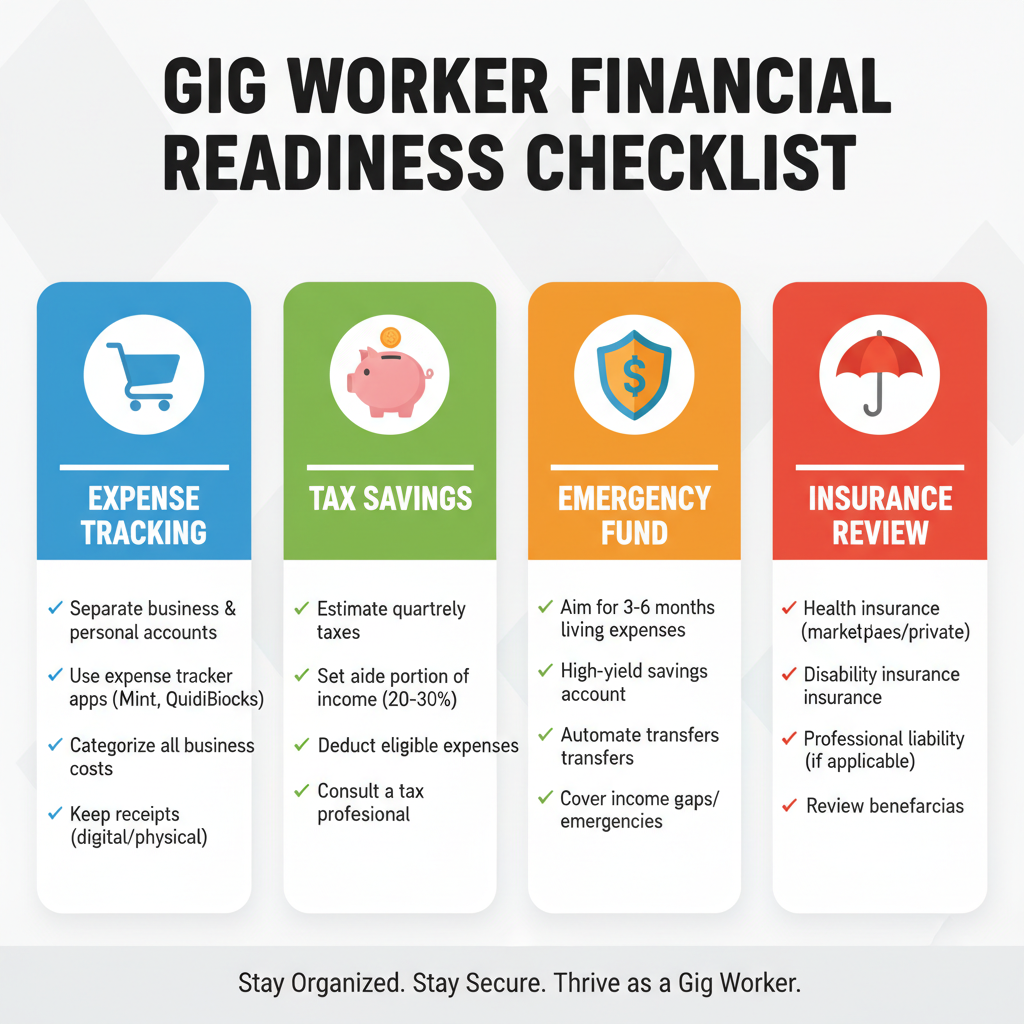
* Separate Finances: To simplify tracking income and expenses for tax purposes, consider opening a separate bank account dedicated solely to your delivery business finances. This creates a clear audit trail and makes tax preparation significantly easier, clearly separating personal and business transactions.
* Expense Tracking: Diligently track every business-related expense and all kilometers driven for business purposes. Utilize expense tracking apps (e.g., MileIQ for mileage, QuickBooks Self-Employed for comprehensive tracking) or maintain a detailed spreadsheet. This is absolutely vital for maximizing your tax deductions as an independent contractor. Keep all receipts, digital or physical, organized and accessible.
* Emergency Fund: As an independent contractor, you do not have benefits like paid sick leave, vacation pay, or employment insurance. Building an emergency fund is crucial to cover periods of illness, vehicle repairs, slow business, or unexpected personal events. Aim for at least 3-6 months of living expenses, giving you a financial safety net.
* Tax Savings: This is one of the most overlooked aspects by new gig workers. Because no taxes are deducted at source, you must proactively set aside a portion of every earning for income tax, CPP contributions, and potentially GST/HST. A common recommendation is to set aside 25-35% of your gross earnings, depending on your total income level and province of residence. It’s wise to consult a tax professional for personalized advice, especially if your income increases, as you may need to pay quarterly tax installments to the CRA to avoid penalties.
5. Customer Service Excellence:
* Professionalism: Maintain a professional and courteous demeanor at all times, even when faced with challenges or difficult situations. Your attitude reflects on your personal brand and can impact your ratings and tips. Politeness and respect go a long way.
* Communication: Effective and timely communication is key. Inform customers of any significant delays, issues with their order, or specific drop-off instructions. For Fantuan and HungryPanda, being mindful of potential language barriers and utilizing the app’s translation features (if available) or simple, clear English can greatly enhance customer satisfaction and prevent misunderstandings.
* Accuracy: Double-check orders for accuracy before leaving the pickup location and ensure items are properly handled, packaged, and delivered as requested. Positive ratings not only boost your standing on the platform but can also lead to more frequent offers and higher tip percentages, directly impacting your earnings.
6. Stay Informed:
* Platform Updates: Regularly check for announcements and notifications from each platform regarding pay structure changes, new incentive programs, operational updates, or changes to terms of service. Staying current allows you to adapt your strategy and take advantage of new opportunities.
* Local Regulations: Be aware of any local bylaws, municipal licenses, or provincial regulations that might impact delivery services in your specific city or region. These can change and affect your operations, so staying informed about requirements like Class 4 licenses for rideshare in Alberta is important (though not strictly for delivery, regulatory changes can affect all gig drivers). For example, ensure you’re aware of specific provincial requirements, such as those detailed in the Alberta Rideshare: Class 4 License, CVIP & Insurance Guide, as regulations for gig workers are constantly evolving.
* Community Forums: Join online driver communities (e.g., Facebook groups, Reddit forums, local chat groups) for insights, tips, support, and real-time information from fellow drivers operating in your area. These communities can be invaluable for learning best practices, troubleshooting common issues, and staying updated on local trends and opportunities.
By strategically integrating Walmart Spark, Fantuan, and HungryPanda into their operational model, Canadian courier drivers can significantly enhance their earning potential, reduce reliance on a single platform, and build a more stable and diverse independent contracting career. Each platform offers unique advantages, and understanding their specific requirements, cultural contexts, and operational nuances is the key to unlocking these opportunities and thriving in the evolving gig economy. This proactive approach to managing multiple delivery services transforms transient gig work into a robust and flexible professional endeavor.

Leave a Reply